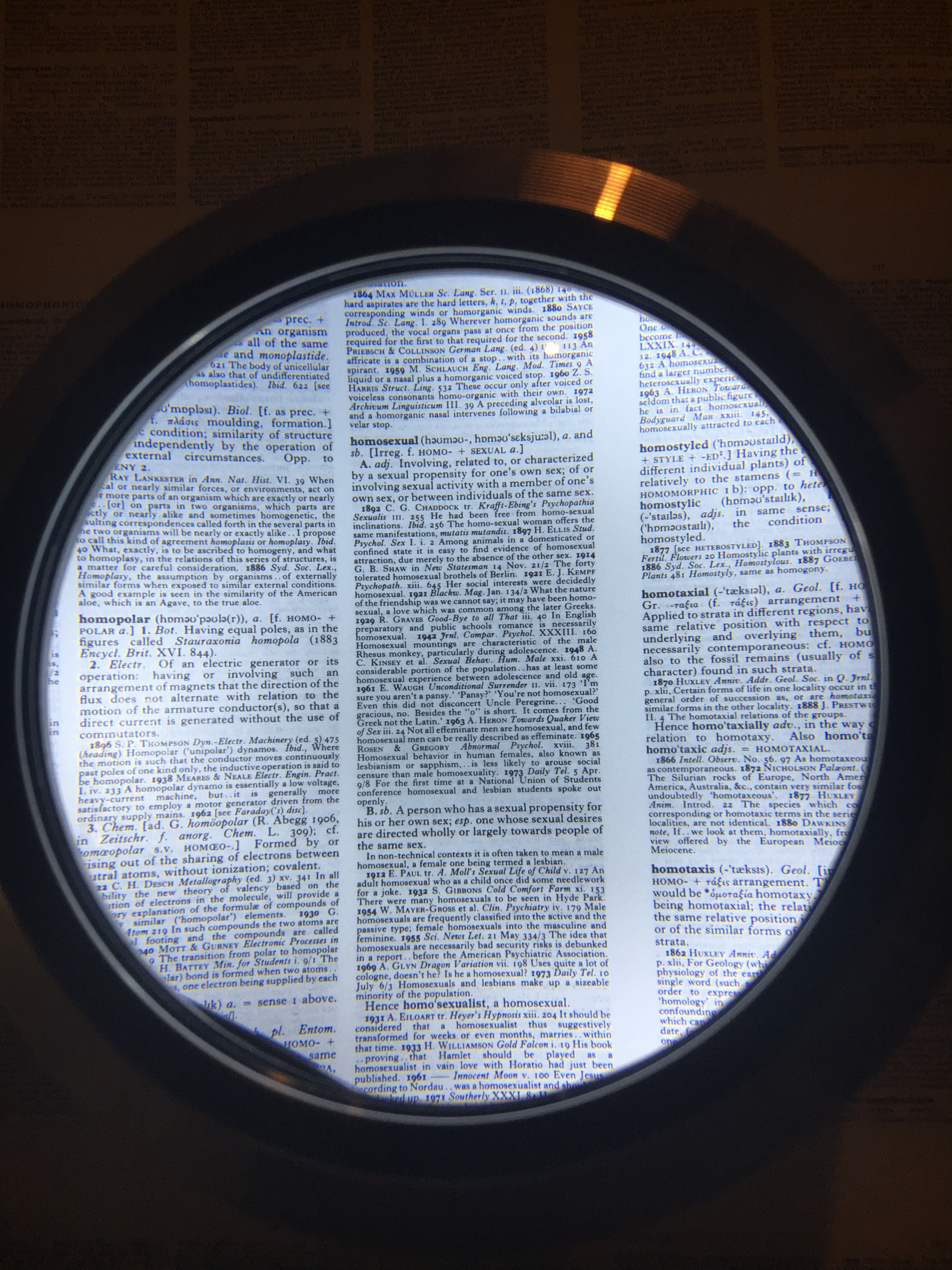
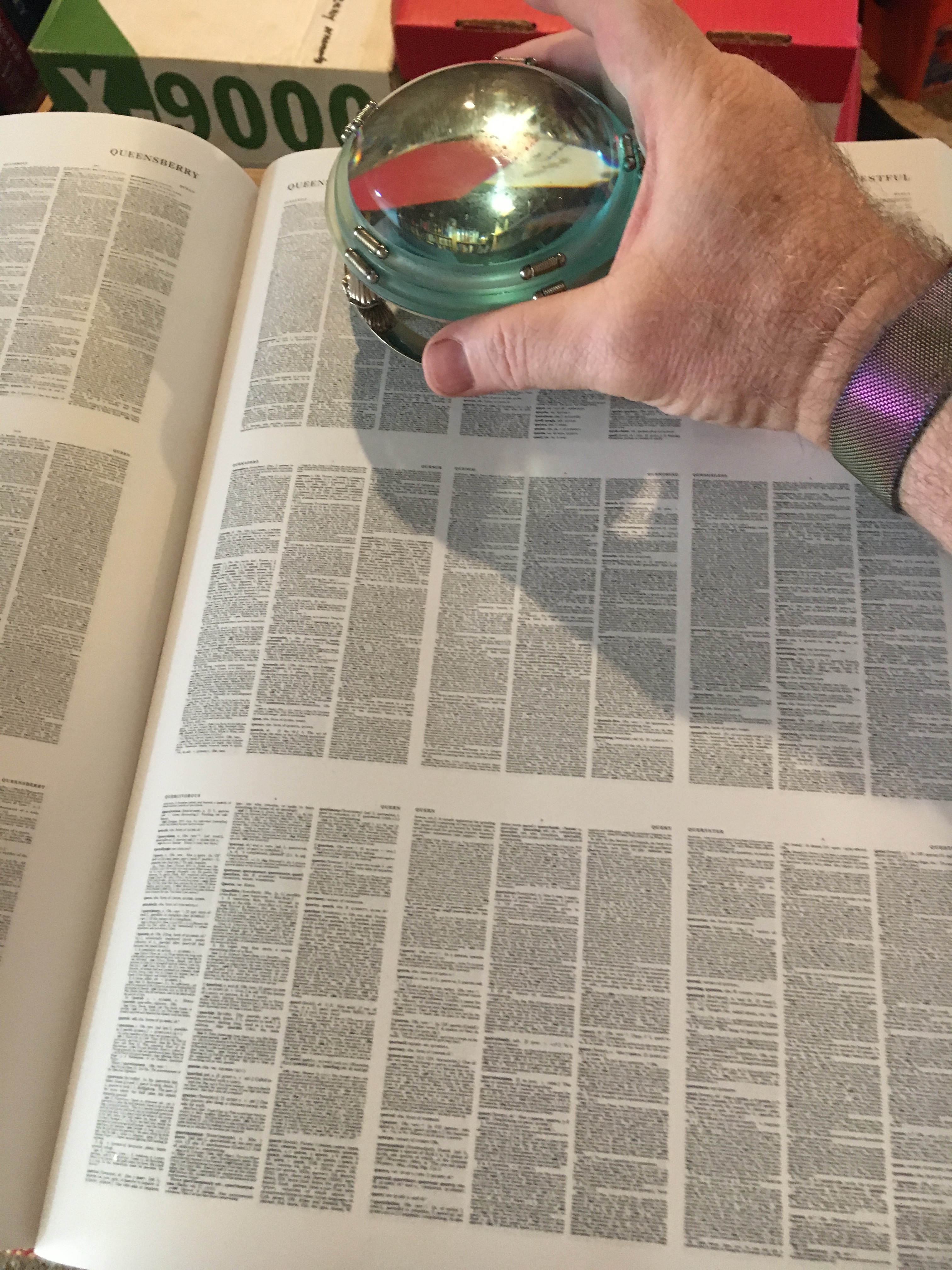
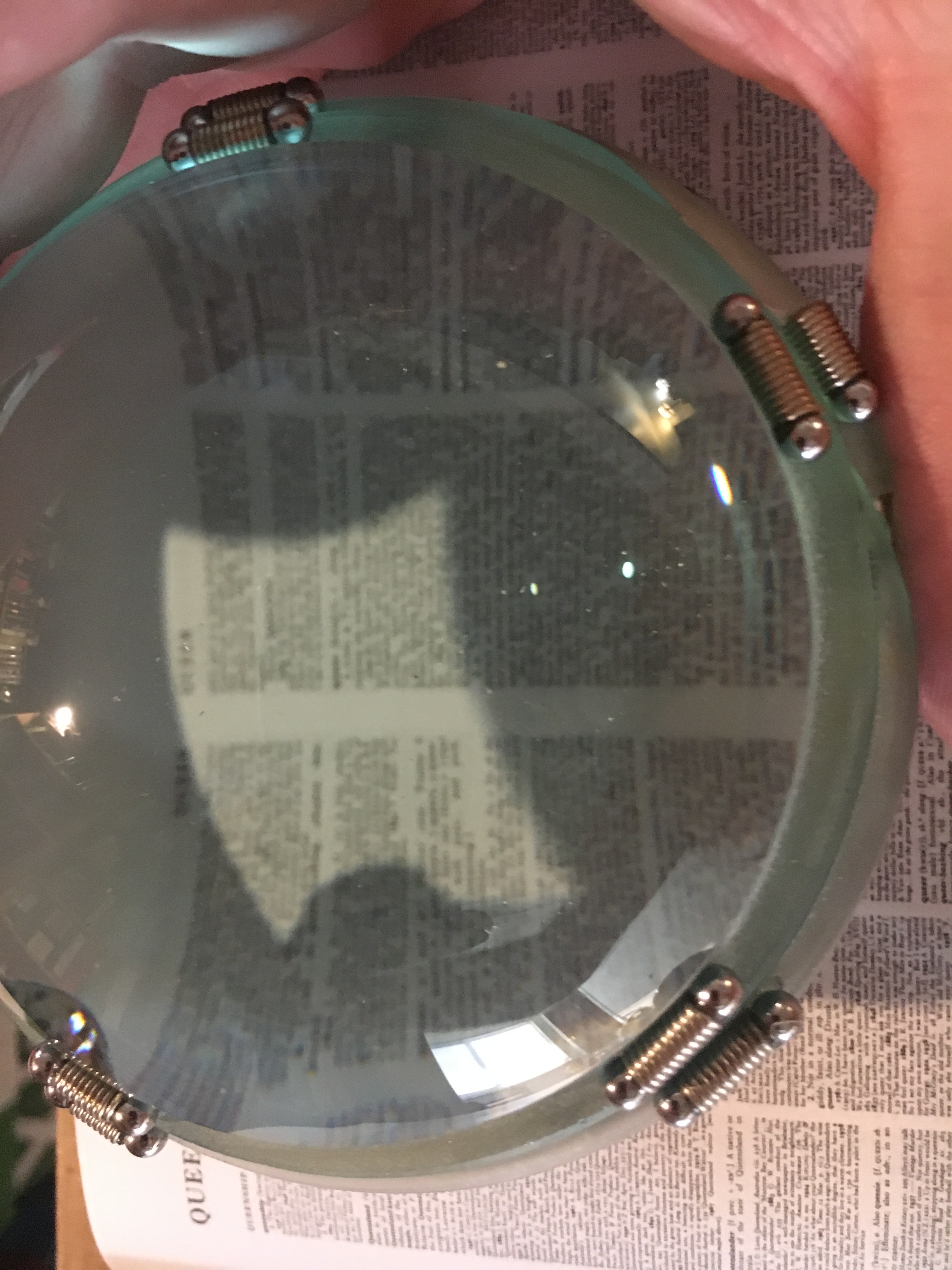
“…involving, related to, or characterized by a sexual propensity for one’s own sex; of or involving sexual activity with a member of one’s own sex, or between individuals of the same sex.” (Click to embiggen; I got a new self-lighting magnifier for my Compact Oxford—isn’t it neat?)It happened after a committee meeting for the Seattle Lesbian and Gay Chorus when we had devolved to chatting. I don’t remember exactly what was being discussed, but one of the women got upset when I used the word “gay” to refer to the entire community. “That excludes women,” she said, icily. I apologized and said I didn’t mean to do that, it was just fewer syllables and sometimes I just wished there were a shorter way to refer to everyone, and homosexual is so clinical. She interrupted, leaning in and getting much angrier. “Another word for men! Geeze, how can you do that?” When I protested that it was a clinical term originally coined to refer to both men and women she really got upset, insisting, “Homo means man! Yeah, yeah, it’s like mankind means everyone because men think they’re all the matters!”
At this point I was no longer feeling defensive, I was feeling angry. So I explained that while if one were speaking Latin, “homo” meant man, but the word wasn’t built from Latin roots, it was from Greek roots, and in Greek, homo means “the same” which is why the doctor who first coined the term picked it, as he had written about extensively that he was describing people who were attracted to and formed attachment to member of the same sex, in contrast to hetero which is greek for “other or different.” So “heterosexual” meant someone attracted to the other sex, while “homosexual” meant someone attracted to the same sex. Also, the doctor in question was himself non-heterosexual and spent much of his life trying to prove that homosexuality was not a mental illness.
Suffice it to say that she did not appreciate my lecture.
That was not the last time I got into that argument, by any means.
Other times when I’ve pointed out the difference between the Greek root and the Latin word which sounds the same, people have countered that “a lot of people think it means male!” To which I replied that a many people think the world is flat, but I’m not going to stop using the word “world” because some people are ignorant.
Don’t get me wrong—I understand that perception is important, but here’s the thing: if I point to a crowded room full of people of many different genders and say “they’re all homosexual” not one English speaking person in the whole world is going to think I’m only referring to the men. No one will be confused. Yes, a few of the women in the crowd may raise the same incorrect objection as the person in my first paragraph, and some bisexual or pansexual people in the crowd will make an equally incorrect objection (there is no portion of homosexual that means exclusively with one’s own gender, just that there is a propensity toward one’s own gender). I will grant that if there are any asexual people in the crowd they will have, linguistically, a valid bone to pick with my sweeping generalization.
The thing is, I don’t happen to like using the word homosexual because it sounds so clinical, and despite the word being coined by a pro-homo doctor, originally, it was quickly adopted by the parts of the medical establishment who insisted we were mentally ill or depraved. But I also don’t like using it to refer to the community because no matter how you slice it, it does exclude asexuals, as well as trans people who are also straight.
If I’m in a situation where queer isn’t accepted, I will sometimes punt to “non-heterosexual,” but that has the problem of defining us by what we aren’t, rather than what we are.
There are people who object to the term because it places emphasis on sex, while we often argue that the real issue is love. I have some small amount of sympathy for that line of reasoning, though it often digresses into rather sex-negative prudery. And while there is a difference between love and sex, for most non-asexuals, the two things are tangled together pretty tightly. I am attracted to other men. The initial attraction is, to be honest, about hormones and desire. For me, at least, love is a choice I make as I get to know a person. Yes, there are feelings and admiration and so forth, but I have feelings for lots of people who I don’t choose to commit myself to. I admire lots of people I don’t choose to commit myself to.
This attempt to separate the sex from sexual orientation also ignores another important reality: heterosexual relationships are just as much about sex as queer relationships are. Don’t believe me? What were the only legal arguments that anti-gay people had left by the time the case had reached the U.S. Supreme Court: that marriage was exclusively about reproduction, and that heterosexual people would never make the lifelong commitments necessary to raise the resultant children is legal marriage wasn’t reserved for straights (no, that argument makes no sense, and yes, that’s really what they wrote in their legal briefs!). Yes, the people who claim that we’re the perverts obsessed with sex argued that it was wrong to define marriage as a loving relationship geared toward mutual support (yes, that was also in their legal brief).
But I’ve digressed enough. The word “homosexual” does not simply refer to men, it comes from the Greek word homo meaning “the same.” Neither does the word refer to any exclusivity in that sexual orientation. Also, although hetero means “other or different,” neither heterosexual or homosexual linguistically imply only two genders. Heterosexual literally means sexual activity with someone of a different sex, not the opposite sex. So not only isn’t the word sexist, it also doesn’t deny the existence of genderfluid or intersex or third sex people.
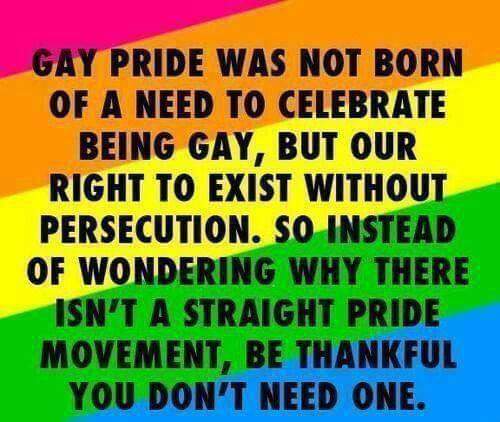
“Gay pride was not born out of a need to celebrate being gay, but our right to exist without persecution. So instead of wondering why there isn’t a straight pride movement, be thankful you don’t need one.”It’s that time of year again. The perennial question arises: “If you get a Gay Pride Parade, why can’t we have a Straight Pride Parade?” I can’t decide which is the saddest aspect of this question: 1) that they think this tired old canard is clever, 2) that they don’t understand that 99.9% of all television, movies, news, and other public discourse is geared toward affirming heterosexual life, including straight sexuality (so every day is already Straight Pride Day), or 3) that they don’t understand that Queer Pride events are about our very right to exist—an act of defiance against those who want us to be invisible or dead—not merely our right to party?
And some people seem to be most hung up about the fact that we have parades and festivals. Especially the parade seems to bug them. They are always quick to say that they don’t have a problem with gay people, but the truth is that what bothers them is us being visible. When they ask us why we have to flaunt who we are, what they are really saying is why can’t he be quiet and stay hidden and not remind them that anyone who is different than they exist.
And you know how you can prove this? Ask them if they have ever raised the same objections to St. Patrick’s Day parades. The earliest St. Patrick’s Day parades in colonial times were about Irish Nationalism, since all of Ireland was under British rule at the time. By the mid- and late 1800s the St. Patrick’s Day parades were about Irish equality in the U.S., since anti-Irish and anti-Catholic sentiment was quite high, and yes often encoded in laws and government policy. While the anti-discrimination purpose of the parades has faded away, the parade is still about taking pride in one’s Irish heritage. If a person doesn’t object to Irish pride parades (which is exactly what St. Patrick’s Day parades are), but they do object to LGBTQ+ Pride parades, the only logical reason can be that they object to the Lesbians, Gays, Bisexuals, Trans, and all other Queers in particular, and not the idea of a parade celebrating identities in general.
I can pretend that the question isn’t a passive-aggressive exercise of bigotry and give you some simple answers. Why do we need Pride?
We need Pride because people still target gender non-conforming children in schools, and now adults aren’t just making excuses for the bullying and discrimination, they are writing it into law!
We need Pride because people will go to great lengths to take away any rights we managed to get.
We need Pride because queer kids are born everywhere, not just into families and communities that love and accept them, but often into families where they are bullied (sometimes bullied until they kill themselves) and they need to know that they aren’t alone.
We need Pride because the world tries to make us hate ourselves, tries to make us be ashamed to love, and most importantly tries to convince us we are utterly alone.
None of those reasons apply to straight people. No one bullies straight children just because they are straight or gender conforming. No parents kick their straight children out on the street because they are straight. No one is targeting sports bars to kill straights because they saw a man kiss a woman somewhere. No preachers are going on the air to say that straight people deserve death. No one is passing laws saying gender conforming children aren’t allowed in public school bathrooms. No one is passing laws trying to ban straight people from adopting children or getting medical benefits for their partners. Straight people and straight people’s sexuality (ever seen a romantic comedy?) is the subject of at least 99% of all movies, television shows, et cetera. So straight people don’t need pride. But if you really think you do, no one is stopping you from organizing your own parades (though I’ve argued before that you already have those, too).
The reason queers like me have been able to stand up and be ourselves is because other queers before us were brave enough to be out and brave enough to protest when necessary. Be it staging sip-ins to protest laws that made it illegal for a bartender to knowingly allow two homosexuals be served in the bar, or fighting back when police raided a gay club, or picketing in front of federal buildings, or boycotting industries whose spokespeople lobbied for laws to take away our rights, or protesting laws making it a crime for us to be intimate with the person of our choosing, or marching in the first ever Pride event in June 1970. Those of us who can stand up for ourselves now owe a debt to those earlier generations of queers. We can’t pay them back directly, so we have to pay it forward. We do that by standing up and being counted and being visible for all of the people (especially kids) who can’t safely be out themselves, yet.
We need Pride not because we’ve come so far, but because there is still a long, long way to go.
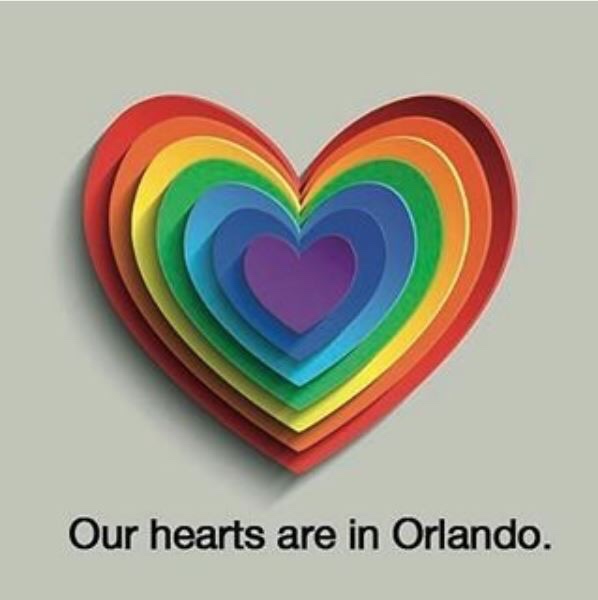
“Our hearts are in Orlando.”One year ago, on June 12, 2016, a killer snuck a gun into a busy gay night club on Latino night and opened fire, killing 49 people and wounding many others. In the immediate aftermath Republican politicians expressed sympathy for the victims, insist that even though a gay club was targeted during Pride month that it wasn’t actually an anti-gay hate crime, and then days later voted down gay rights protections. Those politicians weren’t the only ones to try to claim that the act wasn’t an anti-gay crime. We’ve had people gin up evidence (which has been thoroughly debunked) that the killer was secretly gay himself. We’ve had people and politicians try to claim the killer was part of an organized Islamic terrorist organization, and that has been thoroughly debunked as well.
The killer’s own father said that his son had been ranting for weeks about how angry he was to see gay men kissing each other in public. He spent weeks using a fake profile on a gay hook-up app quizzing gay men to determine which gay club would have the biggest crowd and which night of the week it would be busiest. It was an anti-gay hate crime. That doesn’t mean it wasn’t also terrorism, because that’s what all hate crimes are: the intent is to instill terror in the targeted community by singling out individuals for bashing or worse.
I wrote shortly after the massacre to explain why this crime hit me so hard even though I live on the other side of the continent and don’t personally know anyone killed. My whole life I’ve lived with the fear and knowledge that there are people who hate queers enough to attack me and kill me, but I haven’t often had to think of that hatred being a danger to those around me. The killer’s father isn’t the only one who talked about what had enraged his son. Others who knew the killer have talked about his increasingly angry outbursts about gay people. Seeing two men kiss made him go kill 49 people in a busy gay nightclub during Pride month.
It’s one thing to know that bigots hate me enough to kill me. It’s much worse to be shown that some hate me enough to commit a massacre.
And it’s upsetting to know that some people who claim to be friends—and relatives who have said they love me—are unable or unwilling to understand that this killer’s actions are a symptom of society’s messed up attitudes about queer people and about guns.
That is what people who claim this is just one lone nut, or that it isn’t really about queer people, or that there is nothing society can do that will make these crimes less likely to happen are actually saying.
Mostly, please just recognize that this was a hate crime, fueled by our society’s abhorrence of gay people and helped by our irrational obsession with prioritizing gun rights over human rights. It wasn’t an act of anti-american terrorism. It wasn’t merely the actions of one disturbed individual. It is a symptom of very American dysfunction. It is a hate crime, and all hate crimes are meant to instill terror in the hearts of the targeted community. If you are a straight person who still insists this wasn’t an anti-gay hate crime, please answer this question honestly: was this crime a gut punch of terror for you? Was it?
I have been relieved that most of the coverage of this crime focused on the victims. Too often the coverage of mass shootings focus so much on the perpetrator that it’s as if he’s a hero, instead of a despicable excuse for a human being. I think I have managed, despite writing about this incident many times, never mention to the name of the killer. Instead, we need to honor the memories of those slain: Orlando nightclub shooting: Read about the victims.
Victims killed in Pulse in Orlando June 6, 2016. (Click to embiggen) (Facebook/AP/Reuters/Rex)
Edited to Add: Several people have written very eloquently about the day:
I’ve mentioned before that I collect images and memes and such as potential illustrations for Friday Links posts or political commentary, and I’m always collecting more than I wind up using. So every now and then I’m going to do a post like this where I just publish a bunch.
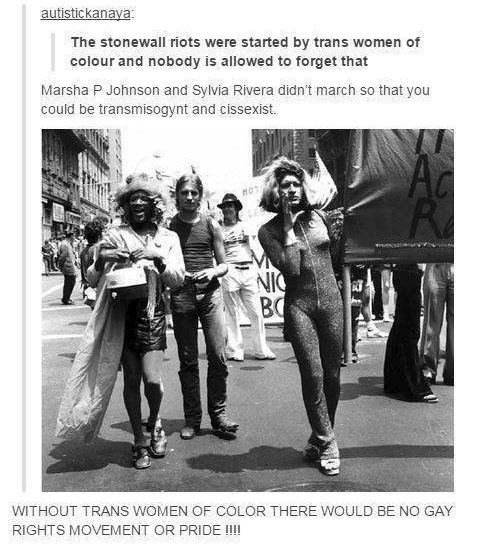
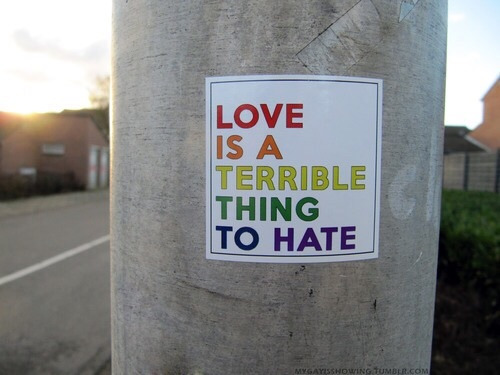
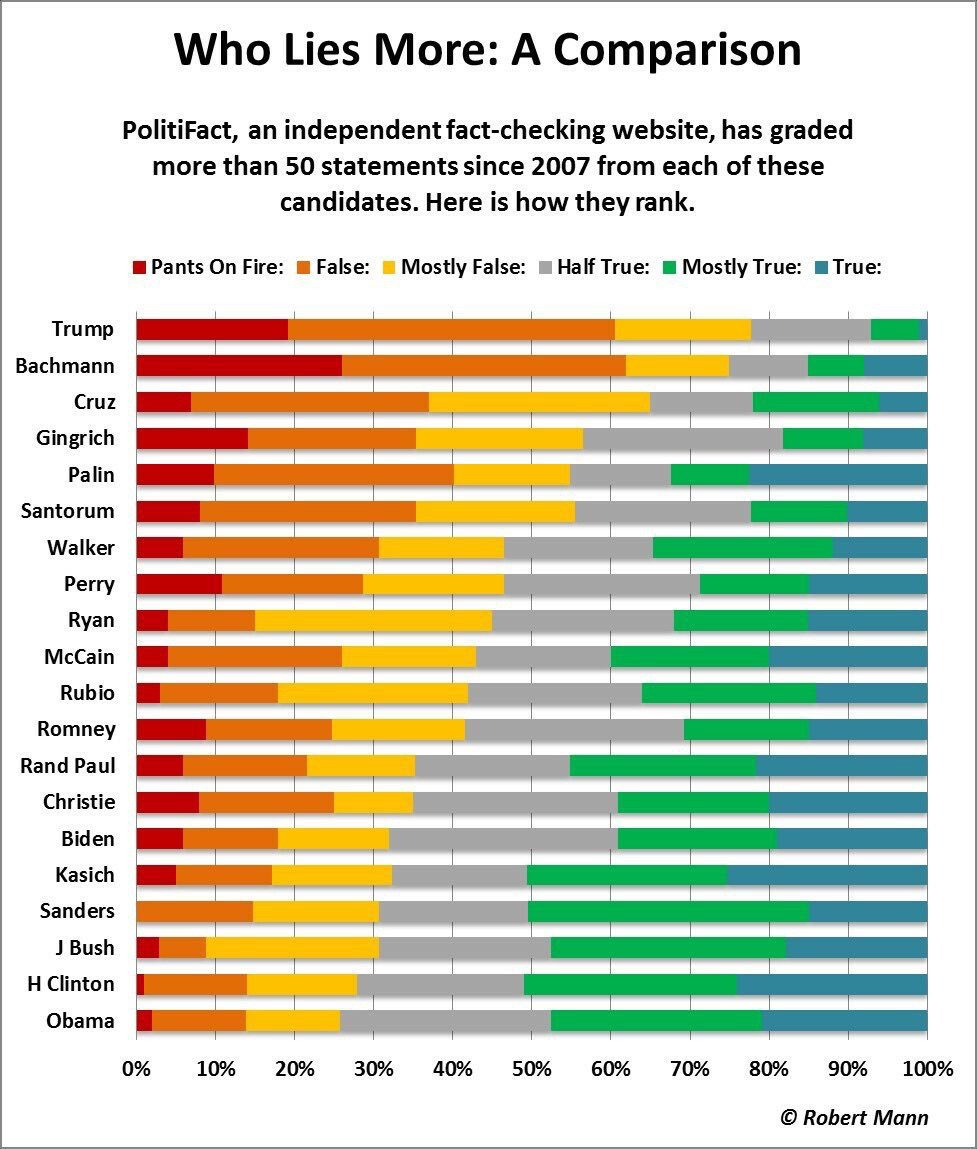
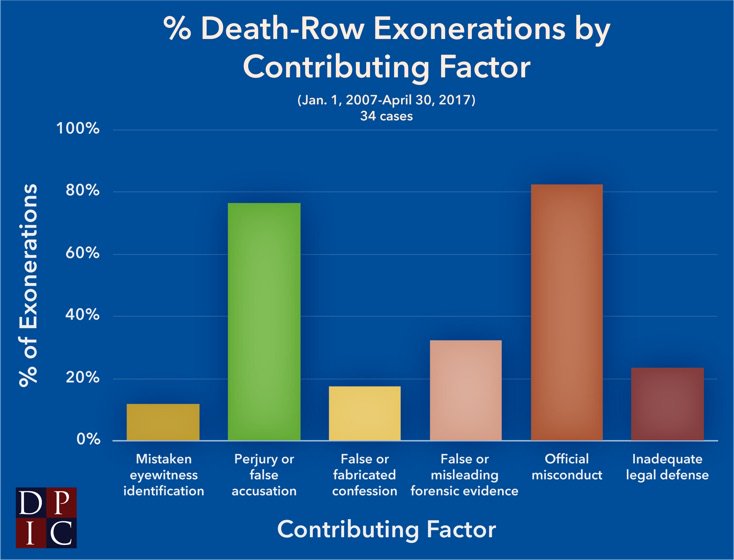
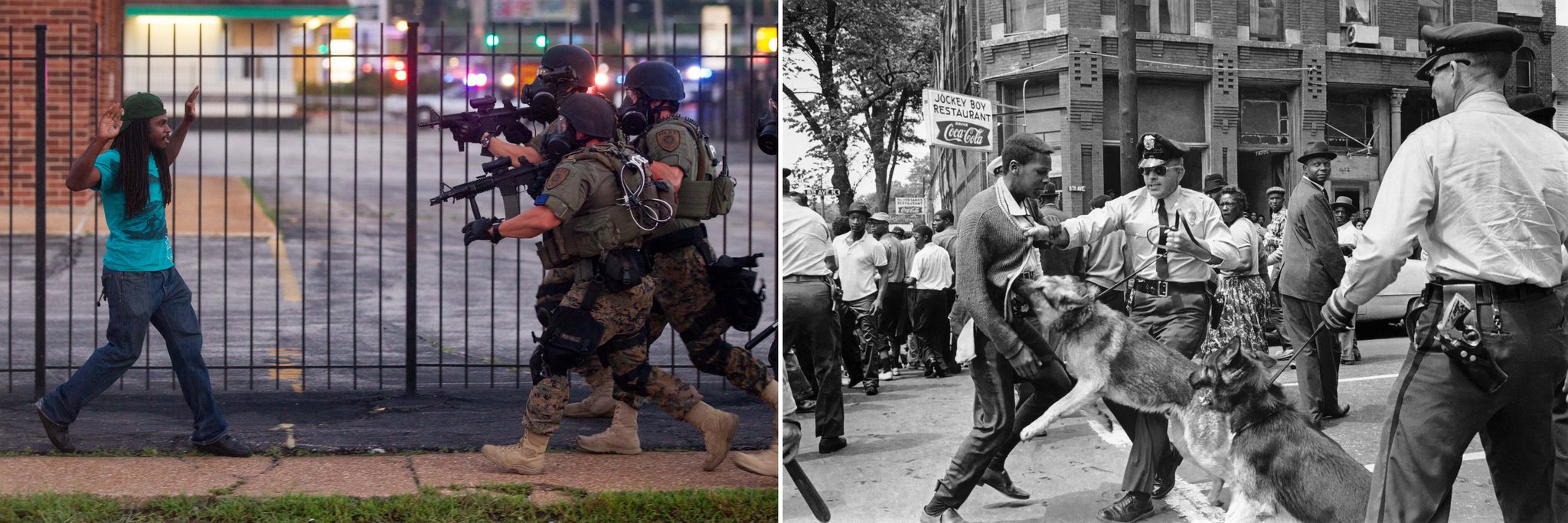
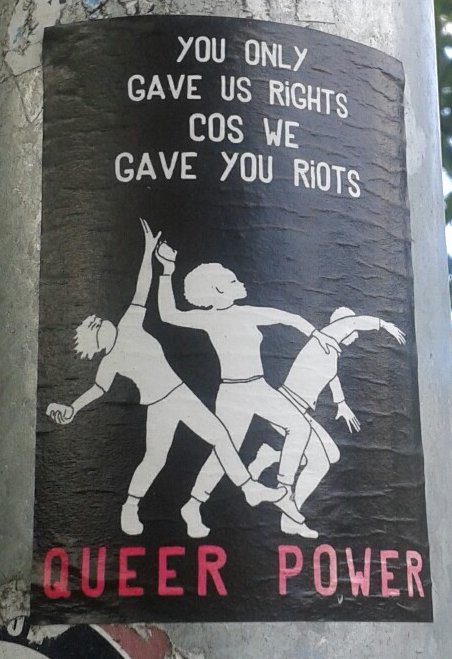
“The Stonewall Riots were started by trans women of colour and no one is allowed to forget that.” (Click to embiggen)“Love is a terrible thing to hate.”“Who lies more?” Please stop repeating the lies that all of them do it. One end of the political spectrum fails fact checks far more often than the other.(Click to embiggen)“Percentage of Death-Row Exonerations by Contributing Factor.” Gee, several of those categories constitute official malfeasance. (Click to embiggen)This is what “Make America Great Again” meant to far too many of Donald’s supporters (and staff, and Donald himself, to be honest). (Click to embiggen)“When I find myself in tweets of trouble, Mother Russia comes to me, speaking words of wisdom… covfefe!”“You only gave us rights because we gave you riots. Queer Power” (Click to embiggen)“We kept fighting after Stonewall. We’re still fighting the AIDS Crisis. We kept fighting after Anita Bryant. We kept fighting after Jesse Helms. The struggle is far from over. I’ll keep fighting. Will you?”“Pride 2017”
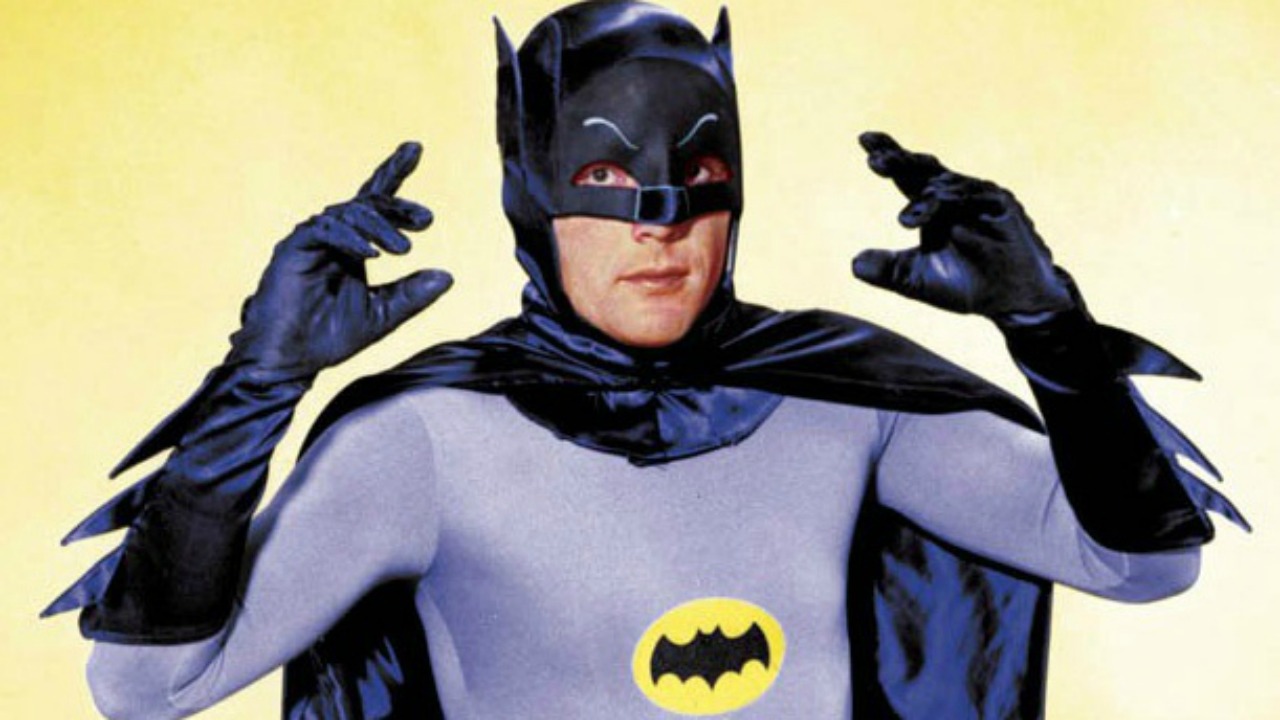
It has been said in many interviews, including by West himself, that the reason why he got the role among the actors who were screen tested for it was because he was the only one who could deliver the dialog with a straight face. The series’ incredible blockbuster success typecast West, making it difficult for him to get work, but he eventually embraced the role, eventually calling his version of the Caped Crusader the Bright Knight (as opposed to the Dark Knight of later incarnations).
And while I appreciate some of the other versions of Batman, five-year-old me looked up to West’s Batman as a hero who stood for justice and compassion, who was willing to risk everything for others, and always ready to answer the call. It was West’s commitment to the role that made that version of Batman real. You’ve answered your final bat-signal, Adam West. Rest in peace, and thank you.
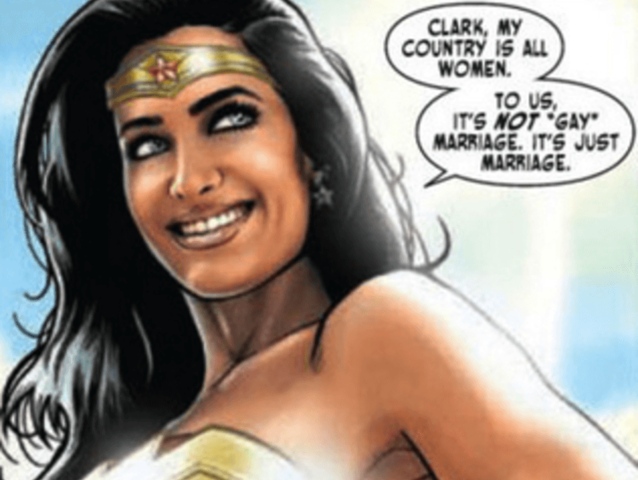
“Clark, my country is all women. To us, it’s not ‘gay marriage,’ it’s just marriage.”It’s Friday. The second Friday in Pride Month. And the news in the real world continues to be both depressing and frightening. So, if you haven’t yet, I highly recommend you go see Wonder Woman, because no matter who you are, it should make you feel empowered (well, unless you’re an alt-right/neo-nazi/MRA jerk with enough self awareness to recognize what the bad guys believe). Seriously.
Anyway, here are the links I found interesting this week, sorted into categories.
Is Trump’s blocking of some Twitter users unconstitutional? A lot of people think the first amendment is only about personal expression and the press, but the first amendment also guarantees citizens the right to petition their government; Trump has turned his personal twitter account into an official policy communication conduit and some would argue a public forum.
The most recent edition of the full OED. Please note that this isn’t 20 copies of the same book; it takes these 20 volumes to add up to one dictionary!I’ve mentioned many times that my childhood was spread over ten elementary schools in four different states thanks to my dad’s employment in the petroleum industry. Those ten schools varied a lot, but one thing all of them had in common was a library; and one of the things each of those libraries had in common was a big dictionary. They didn’t all have the exact same dictionary, but there was always at least one large hardbound dictionary, frequently on display on a stand or lectern.
I distinctly remember the library at the elementary school in Kimball, Nebraska keeping its dictionary on a pedestal that was too tall for me to reach the book, and it had a sign that said it was off-limits to anyone below fourth grade. When I asked why, I was told that it was too heavy for us smaller kids to lift, that it was printed on extremely thin paper which was easily torn, and besides, us lower grade kids couldn’t really understand it. I argued, of course, which got me nowhere. In fact, a note about my bad attitude was sent home to my parents. Surprisingly, my dad wasn’t angry at me about that, and seemed to actually take my side (though he didn’t go so far as to do anything about it).
I was apparently so offended at the notion that I, as a second-grader, couldn’t understand a dictionary, that I ranted about it at Sunday School. Which eventually led the wife of the pastor at the church we were attending to give me a dictionary of my own. It was an old desk dictionary whose cover was held on by a lot of layers of black book tape, but it was mine. My parents didn’t have a dictionary in the house before then (though over the next few years we acquired a couple more).
But to get back to those big dictionaries in the library, all of them said “Webster’s” on the cover, often in gold printing. A large number of them were probably various printings of Merriam-Webster’s New International Dictionary second edition. But because the original dictionaries edited by Noah Webster had fallen into the public domain by 1889, other publishers have been using the name in the title of their dictionaries. So some of them were probably from other publishers.
I was in the fifth grade when I learned the latter fact: that just because a dictionary’s cover said “Webster’s” didn’t mean it actually was Webster’s. But at the same time I also learned about the Oxford English Dictionary. The teacher in question was deeply enamored with the OED, having started using it at libraries while he was studying in the United Kingdom, and hoped someday to own his own copy. He told us that the dictionar was so big it couldn’t be published in one book, but was split into multiple volumes, like an encyclopedia, and cost thousands of dollars. I remember specifically him explaining that it was about 30 volumes.
I learned later that the last bit was completely wrong. At the time this teacher was studying abroad, the second edition of the OED hadn’t yet been printed. The second edition is 20 volumes, whereas the first was originally ten volumes, with only three supplemental volumes having been published by the time the teacher was back in the U.S. and teaching us in the tiny town of Roosevelt, Utah. I don’t know if he truly didn’t remember how many volumes it was (which suggests that he may have used it at a library only once or twice), or if he was exaggerating for effect (giving this teacher’s personality, either was likely), but he was incorrect about the number of volumes.
Still the image of thirteen big hardback books being necessary to contain all the text of a dictionary was pretty magical. And ever since I’d learned of its existence, I too, dreamed of a day when I would have a copy of the OED of my own. It is definitely a dream, because the retail price of the full twenty volume set is usually listed at $1295 – though you can usually find it being offered at just under a thousand. I found a set in a used bookstore once… locked up in a glass case and being offered for even more than that. It wasn’t the 20-volume second edition (first published in 1989) but the old 10 volume set from 1928.
The Compact Oxford is not an abridged dictionary. It contains all of the text of the full 20-volume set (me included for scale).Given those prices (and once you learn how much work goes into producing a high quality dictionary {many years, dozens of editors, hundreds of readers scouring old books}, you’ll understand why the price tag is so high), I had to content myself with various abridged versions for several years. Until my husband surprised me on one birthday with the Compact Oxford English Dictionary. The Compact Oxford is a very clever book: it contains the full text of the twenty volume dictionary in a single book. They do that by printing on each page of this oversized book tiny images of pages of the dictionary—nine pages of the large dictionary on each page of the Compact. The resulting text is so small that you need a strong magnifier to read the text. So it’s a little weird… but also very cool. At least in a geeky way.
Each of the blocks of text you can see is a page worth of three-column text printed very small.I’d heard about the Compact Oxford long before I’d seen one. Sometime in the early 90s a co-worker mentioned that there was a one-volume version that they sold with a magnifying glass, but that’s all the details I had at the time. I didn’t realize that they were publishing a bunch of miniature images of full pages, nor did I understand just how tiny the type really was. I had been been quite happy with my copy of The Oxford Dictionary and Thesaurus: American Edition because it is a big, hefty dictionary, almost the size of some of my other unabridged dictionaries, and it had those painstaking word histories that the Oxford is famous for. Then one birthday my husband hauls out a giant present and sets it in front of me. I thought it was a computer of something at first, until I tried to lift it. It was way too heavy for the size. Under the wrapping paper as a big box with the words “The Compact Oxford Dictionary” and “Includes Magnifier.” I was speechless. He was grinning ear-to-ear, of course. It came with more than a magnifier (and a velvet bag to keep the magnifier in). There is a secondary book with instructions on how to use the big book, a protective holder that the two books can slide into—you can put the holder on the shelf, read the spine of the dictionary, and tilt it out easily enough. The holder is substantial enough that even on a shelf with a whole bunch of equally ginormous books (such as six other unabridged dictionaries from other publishers) and it will hold the space open for the book. Which I realized is most useful when you got to put the book back.
Getting the light just right is often a challenge.Being the kind of nerdy collector I am, getting this book has kicked off another obsession: trying to find the perfect magnifier. A regular magnifying glass that you might pick up for home use only magnifies about 2x or 3x, and that’s just not enough to read the tiny print. The one that came with the book is a 4x magnifier, which is adequate. In the years since I got the dictionary, I’ve found a couple of 5x that work better, though sometimes getting the light right is tricky. There have been many times I’ve slid the magnifier around with one hand while shining a flashlight with the other, finding the perfect angle to light up the words without creating a glare on the part I’m trying to read. It works best with a table big enough that you can lay the dictionary flat while you’re reading.
I’m more than occasionally asked by people why I need more than one dictionary–often with the admonishment, “You know, you can look words up online.” The free online dictionaries give you a fraction of the information about each word that even a $30 collegiate dictionary will provide, is the short answer. And most don’t have the word histories—telling you what year the first use of a particular meaning of the word appeared in print. There is also something to be learned by comparing the definitions in different dictionaries. Which people who aren’t word nerds don’t understand. Then, of course, for some of my dictionaries, there’s that Old Book smell. And you just can’t get that from an online reference.
It is true that more often I look things up in the electronic Shorter Oxford that I bought for both my Mac and iPad/iPhone, simply because it’s more convenient, and I’m usually not needing all of the extra information. (And the purchased app contains more information that the free online sources!)
But the real reason that someone who will suggest looking things up online instead of cracking open a dictionary will never understand is that the dictionaries aren’t just to “look it up” and go. Books have always been magical portals for me. They take me to far away places, or fabulous worlds, or just the mind and heart of another person. That’s true of both fiction and non-fiction. Dictionaries and encyclopedias aren’t just references to me. I love to read them. I love to browse from entry to entry, going down metaphorical rabbit holes as, while I’m reading about one word, a reference is made to a derivation of another word, or a different word that shares a similar root (I love the phrase some dictionaries use, “more at xxxx”!), and going off to read that, which leads to another, and another…
The whole world is contained in a good dictionary. Not just language and meaning, but history and culture (yes, the good and the bad). Finding all of that isn’t something you get just be reading an entry or two. You have to wander and browse and get lost among the words.
If you want a good, but affordable version of the Oxford Dictionary (technically small enough to fit in a pocket), it can be had: The Oxford Color Dictionary. It’s not just a dictionary about colors; they put the word color in the title because all of the main headings in the book are printed in a nice blue, which isn’t just meant to make it pretty. As I said it is technically a pocket dictionary. The pages are very small and the font is smallish. They use of color for the words and black text for the definitions, etymologies, et al. It really makes it easy to find the words you want. And it’s cheap! There’s also a companion Color Thesaurus.
Sorry, the Save Draft button and the Publish button are too close together on the interface, and sometimes while I’m working on a blog post, particularly a longer one where I save many times, I accidentally click publish without realizing it.
When I set my goals for this year, I pledged to do monthly updates, since the years I’ve done that has resulted in better results than years I haven’t. The crazy wrinkle this year was that we knew that sometime after May 8th the new owners of the old building would give us a final move out notice, but that we couldn’t actually move until after Michael’s surgery and recovery was complete, which made it difficult to find a place to move to, since no one was willing to hold a place for more than a few weeks.
The last time I posted about the goals was at the end of March, when Michael was only a bit over a week into the recovery. My specific tasks for April were:
Pack and move!
Pack and move.
Squeeze some writing time in somehow.
Remember to have fun at NorWesCon (whether we attend the whole weekend or not).
Write at least two blog posts about things I like.
Once we finally had a lease signed in mid-April, that meant that my goals for the rest of April and all of May were:
Pack and move!
Move and unpack.
Clean out the old place.
Try to keep squeezing writing time in.
We’ve still got a lot of unpacking to do, but we’ve moved, so yay!
I got some writing in, but most of it was blogging. I did a lot of blog writing on the bus and during lunch at work. Having a slightly longer bus ride in (and being too far out to walk home, so I’m busing both ways) gives me a bit more time to write on the bus. Which is nice, though I’m finding it harder to get myself to write scenes on the phone than blog posts. I’m not sure why.
We didn’t attend NorWesCon, other than to show up at dinner time on Saturday evening, have dinner with our gang then run up to one of the hotel rooms to watch Doctor Who. But it was a great break during the first weekend that we were actually moving into a place, rather than packing and trying to find a place.
I’ve already written more about the packing, moving, hauling, cleaning, and so on than anyone cares to read, so let’s move on.
The big goals remain, though this is probably a good time to revisit them.
Don’t get mad, get busy. My tasks are: write about things I love; listen to music and audiobooks more and podcasts less; spend at least half of my lunch break writing; set specific monthly writing/editing goals in each check-in; write at least one blog post a month about organizations we can donate to that are fighting the good fight.
Reduce, pack, and prioritize. Now you might think this big goal could be marked “done” for the year, since we’ve moved, but it just needs to be rephrased: Unpack, reduce, and prioritize. We tried to purge a lot of things during the packing, but as we unpack we keep finding things that we realize should have been pitched rather than packed. And though the new place is a couple hundred square feet bigger than the old, we have a lot less storage. So, a lot of work to do here, still.
Take care of us. It’s important to remember to take rests, not to let ourselves stress about things, and so on.
Submit and publish. Initial task was to organize how I’m going to find calls for submission and set reasonable targets for the novel revision/finalization. I have thus far totally failed to get organized regarding submissions. Nearly half the year is gone and I’ve only submitted to two places. I have consolidated all of my notes for the revisions, and now that we’ve moved I can get back to that.
So June is going to be a reset month, now that the big disruption is over. My specific tasks for the month are:
Get back into the rhythm of editing the novel.
Write at least two blog posts about things I like, rather than rants or commentaries.
Get the iris bulbs, monitors, and other things that we want to give away handed off to people who said they wanted them.
Go through the rest of the Christmas decoration bins and finish that purge.
“Music is like breathing—I don’t get tired of breathing, and don’t get tired of music.” —Ray CharlesI often listen to music while I’m writing. But I don’t just listen to random music; I make special playlists for certain characters or projects. My oldest playlist (rather uncreatively named “Writing”) was created in 2003, when iTunes first became available for Windows1.
A friend recently commented that a lot of my playlists re-use songs. He’s right, particularly since many of the lists I’ve been sharing lately are based on some of my writing lists2. That’s because I assign some songs to particular characters. Or I assign some songs to particular character combinations. For instance, I use the Matt Goss song, “Evil” if I’m working on a story or section of one of the fantasy novels when the characters of Madame Valentina and the Zombie Lord figure prominently; because the song’s lyrics sound like something that Madame Valentina would say to her former friend and comrade-in-arms about why they are no longer friends. Other songs represent something a bit more abstract and just wind up in lots of playlists.
I listened to music while writing long before having a program that could play pre-programmed lists. And I even had playlists, of a sort. I used to make myself mix tapes3 on cassette. Like the playlists now, they were often meant as sort of a soundtrack for a project I was working on at the time. Before I had that technology, I used to like to listen to certain albums on vinyl while I wrote4. But more often I listened to the radio, where I had no control on what music would come up.
I’ve had multiple friends comment that they can’t write at all while listening to music that has lyrics. They can only write to music if the music is only instrumental. They mention this because they are confused when the vast majority of my writing playlists are made up of songs (often dance, pop, or rock songs, but queercore, baroque pop6, and broadway style musicals7 figure heavily as well) that have lyrics. I attribute this ability to two things. First, the fact that back when I was 11 years old9 and such I listened to the radio while I wrote. But another factor is familiarity. I usually only put songs that I know relatively well into the playlists, which means I don’t have to spend a lot of brain power parsing the lyrics when I hear it.
But even when I put new songs that I have only just discovered into the playlist they quickly become familiar. Because—and this is something I only realized recently is different than the way these friends use writing playlists—I don’t just listen to the playlist while I’ve actually writing. I listen to the playlist to get me in the mood to write a story. By which I don’t mean I sit quietly listening to the playlist hoping that I’ll eventually feel like picking up the keyboard and getting to work. No, I listen to the playlist during the day at the office, or while riding the bus to work, or while walking home, and so on.
I mentioned above that some songs function as themes for some of my characters or certain relationships, but I also have some songs that are essentially theme songs for specific subplots, or story arcs, or even specific plot twists. It’s not that I sit down and think, “Okay, this moment here needs a song,” it’s more that I’ll hear a song and find that when I listen to it it makes me think about that bit of the story. So I add the song to one of my existing writing lists; or I take subsets of several existing writing lists plus this song that hasn’t been in one of the lists before, and put together a new one. Which is another reasons that some of my lists repeat songs in other lists.
I know that I’m not the only person who uses inspirational playlists this way. But clearly the idea of listening to a writing playlist other than when you’re writing isn’t an obvious one. And it is true that sometimes I find, while I’m actually writing, that I need to switch to something other than the new writing playlist I’ve been listening to recently. There are times when I’m focused more on the words than the story. But that doesn’t happen often.
I think that might be another difference. I’ve always had a little trouble understanding why some people get so hung up on what to write next. Particularly when they describe struggling to find exactly the right word, or that a particular sentence kept coming out awkward. Because writing isn’t about showing off your gigantic vocabulary. It’s storytelling. And you can tell any story, even a new and unique one that is yours and yours alone many ways. This is sort of an extension of an idea that Stanley Fish talks about in his excellent book, How to Write a Sentence. Fish argues that the basic tool of the trade of a writer is the sentence, not the word, because words don’t take on their exact meaning until they are put in the context of a sentence, right?
The important part of a story aren’t specific sequences of words or astonishing turns of phrase. The story is about the characters confronting a problem, how they react to it, how they grow (or fail to) as they endure the slings and arrows of the tale. It’s about how the reader feels about those things. It’s about how the reader is moved by the events, what those events mean to the characters, and the state of each character as they reach their final fates.
That’s why lyrics shouldn’t distract you. Because good songs speak to your emotions. And emotions and events are what you need to be focusing on while writing your story. The words are just how you get there. They aren’t the end, they’re the means.
Put on your headphones, queue up some music that makes your heart and soul want to dance. Then, start writing.
Footnotes
1. That’s right, I used iTunes for three years before I owned my first iPod.
2. I very very occasionally publish lists of the songs on my blog. I slightly more often zip up all the songs in a list and share the file with friends who express interest.
3. Other people made mix tapes to get to people they were romantically interested in or already dating as a way to express their feelings. I assembled tapes of songs for myself.
4. Once I had my own record player, I could put a stack of vinyl albums on the spindle, and it would play one side of each album one after the other. It only held three albums5, but it was a way to build a very primitive sort of playlist.
5. The big stereo in the living room could hold five or six albums in a queue!
6. For instance, Rufus Wainwright or John Grant.
7. Yes, I’m the kind of queer man who listens to musicals! So sue me!8
8. It almost goes without saying that I appeared in musicals in school, but the truly frightening thing is that I’ve written a musical!
9. I decided to become a writer when I was four or five years old, after Mom responded to my question about where books come from. I wrote my first “book” when I was six. I learned to type at age 10, and wrote a lot of short stories on my mom’s Easter Pink Smith-Corona Silent Super typewriter until, just before my twelfth birthday, my paternal grandmother gave me her 1952 Remington Let-R-Riter. I owned my own typewriter! And I went crazy with the writing.








 Font Folly