(Click to embiggen)And here we are at the third Friday in July!
Much of this week I’ve been playing a much more annoying version of the “COVID or hay fever?” game. Not exactly a fun game in any variation. The weather got hot enough that I got to test my new air cooling devices this week. And then a new weather front moved in and we are back to rain and cool again. Usually summer arrives around July 11th here in the Pacific Northwest, but this year maybe not?
Which brings us to the Friday Five. This week I bring you:the top five stories of the week, five stories of interest to queers and our alles, five stories about the pandemic, five stories about the alleged president of the republic, and five videos (plus notable obituaries and some things I wrote).
“Most of the meat is produced by others, and some of the cuts are delicious and uncontaminated. But tainted meat — say, Trump steaks — also gets out the door in ever increasing amounts and without regulatory oversight.
“The argument from the head butcher is this: People should be free to eat rotten hamburger, even if it wreaks havoc on their gastrointestinal tract, and the seller of the meat should not be the one to tell them which meat is good and which is bad (even though the butcher can tell in most cases).
“Basically, the message is that you should find the truth through vomiting and — so sorry — maybe even death.”
Time once again to visit stories that broke after I posted this week’s Friday Five or represent a new development in a story I’ve linked to and/or that I’ve ranted or otherwise expressed opinions upon before. This week supplemented with some graphics I collected for possible inclusion in blog posts which are just going to sit on the hard disk unless I upload a whole bunch of them at once. Let’s just jump in, shall we?
Roger Stone is an ass. He is a criminal. He is almost certainly a traitor. But he did all of that to help the alleged president, so of course just before he is to serve an extremely light sentence for the crimes he was convicted of, the narcissistic fascist occupying the oval office has commuted his sentence. And of course he had to spew a bunch of lies while doing it: Debunking 12 lies and falsehoods from the White House statement on Roger Stone’s commutation.
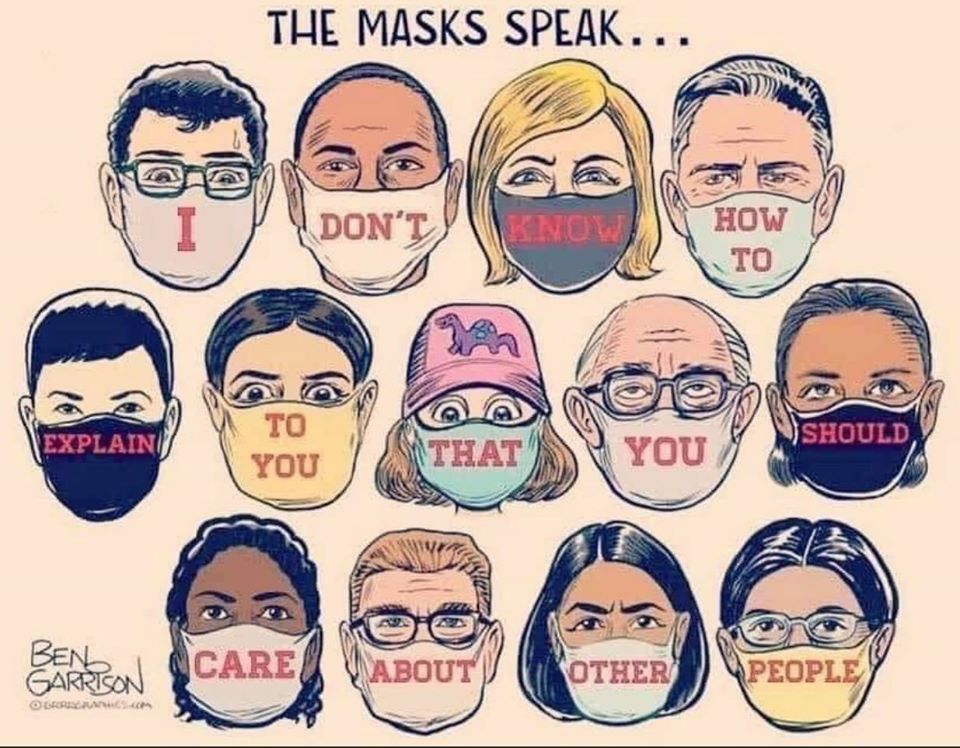
The masks speak…The vast majority of Americans are trying to be smart. We are trying to practice social distancing. We are wearing masks when we go out. The problem is a minority of stupid, evil, mother-fuckers. And I know that if too many of them get sick that puts health care workers at risk… but me thinking that politicians like this are only getting what the deserve is NOT what’s putting those workers at risk: Commissioner who Voted Against Masks in Critical Condition with COVID-19. If he dies, he had it coming. And I will not apologize for pointing out that fact. Speaking of people who had it coming: 26 lawmakers have tested positive for COVID-19 in Mississippi state legislature outbreak.
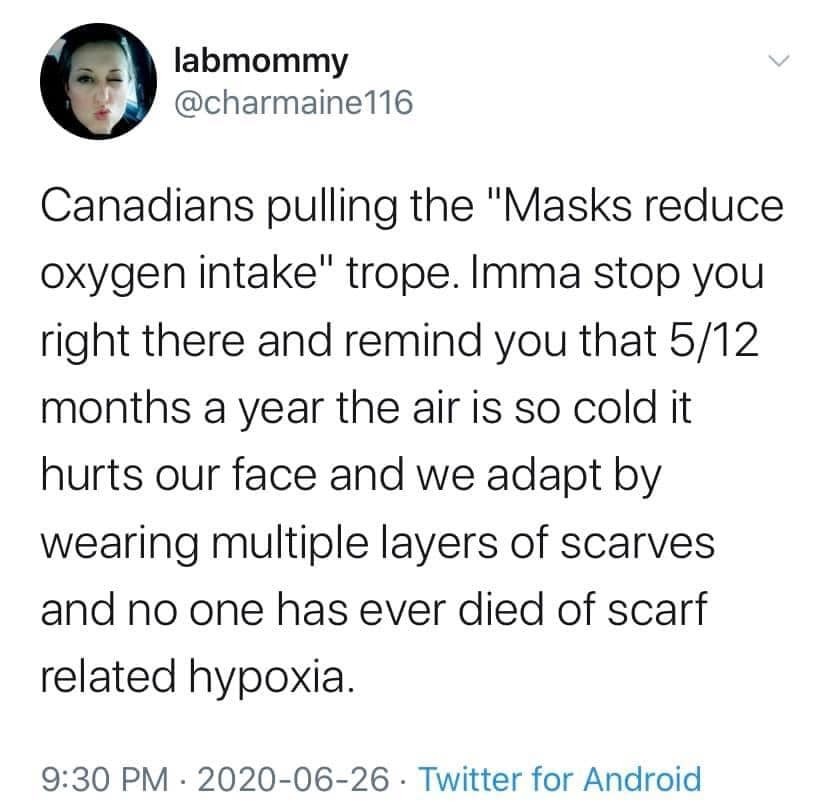
(Click to embiggen)And while I mostly point out the failings of my fellow Americans, it is important to remember that we don’t have a monopoly on either stupidity or ignorant conservatism. Wear a mask, and stop being a drama queen! Surgical teams wear masks far more restrictive than the simple cloth masks we’re asking for–and they complete hours long complicated surgeries with no one passing out, et cetera. Wearing a mask is different than not wearing one, but it isn’t onerous, it isn’t damaging to your health, and it isn’t something you can’t get used to. And it does save the lives of other people. Stop being ignorant, selfish pricks, and wear a mask!
That’s all the bad news I can deal with this morning. Let’s look at something less serious, shall we?
Lin-Manuel Miranda And Stephen Cobert Perform “Button!”:
As a long-time resident of Western Washington state (I came to live here as a teenager way back in 1976), I am well aware of the fact that summer weather doesn’t typically arrive here until July 11. Many locals joke that it is July 5, mostly because people remember how many 4ths of July were overcast and/or rainy, and that sunny weather arrived sometime after Independence Day, but statistically it isn’t the 5th, it’s the 11th. I mention this because all this week a lot of local news blogs and such have been hyping the fact this this year year has seen the coolest first week in July in Seattle since 2002. Since I’m a person who basically melts into a puddle of Unable-to-do-anything whenever the temperature gets about 80º Farenheit, I’m not exactly complaining, mind you.
Which means that this must be the Friday Five. This week I bring you:the top five stories of the week, five stories about the pandemic, five stories about deplorable people, and five videos (plus notable obituaries and some things I wrote).
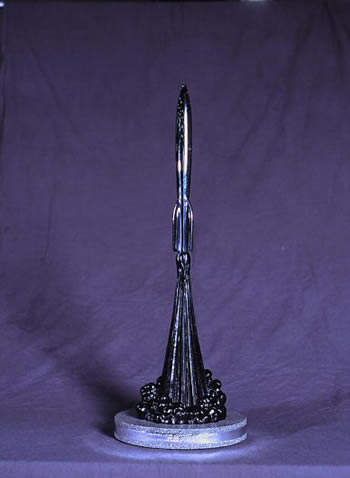
The Hugo trophy given out at NolaCon II, New Orleans, 1988. Trophy designed by: Ned Dameron Photo by: Michael BenvenisteThe Hugo Online Ballots have finally opened! Which means I have a lot fewer excuses not to start filling mine out. If you are a Hugo voter (i.e., have a membership to this year’s WorldCon) and you haven’t received the email telling you how to log in and vote, you should probably check your spam folder(s). I haven’t posted any reviews of any of the books or stories or otherwise on the ballots, yet. But some other folks have. I am most enthused about a series of blog posts that Camestros Felapton is putting up this week, here’s the overview: It’s Hugo Fan Writer Finalist Week! Each day this week he is posting a “Hugo Fan Writer: Why you should vote for… ” essay. Because each and everyone one of the six nominees in that category this year are just bloody brilliant fan writers. I wanna give all six of them the rocket.
His reviews give a nice overview of what each of the fan writers produce, with helpful links to stuff the many places you can find their work. Even if you aren’t a Hugo voter, but you love sci fi/fantasy, you should check these six writers out. They are all wonderful.
Just as I’m finding it very difficult to rank the six fan writer nominees, I’m having a nearly equally hard time in the Novel category. I may have to write about that some more later.
But for now, if you’re a voter, go vote! If you’re a fan, go check out those fan writers!
Most of the people who were shocked were either too young to have been alive in the 1960s, or too young to remember that time. At the time blatantly racist beliefs were considered not just a legitimate opinion to hold, but was largely accepted as reasonable interpretation of reality. Now, there were always people who thought those beliefs were wrong, but they were still very much in the minority when this particular show was recorded.
That minority was growing. Over the next many years more and more people came to the conclusion that not only were those racist beliefs factually incorrect, but that adhering to them was seen as immoral. A tipping point was reached, and there was a wave in which a number of conservative pundits and opinion columnists and such found themselves being dropped by mainstream news organizations.
And they freaked out a bit.
The freak out is understandable. For example, a particular columnist got fired by the New York Times, I think it was, after writing a column criticizing busing (where students were bused to schools further from their neighborhood in order to try to achieve racial balance in public schools). And it wasn’t the criticism of bussing itself that got him fired, it was the fact that one of the reasons he said desegregation of schools was bad was because the white students would be held back by the Black and Latino students because the latter were obviously less intelligent. It was an assertion the columnist had made many times in editorials before this one, so you can understand why he thought it was still a legitimate argument.
The expectations of polite society had shifted around him, and he had failed to keep up. A year earlier, it was still socially acceptable to believe white people were inherently mentally superior to people of other ethnicities. You could express that belief in print and in person and still be welcome at people’s parties and so forth. Many might disagree with him a year or more earlier, but they still viewed it as a topic upon which reasonable people could disagree. And then, you couldn’t any longer.
Racism didn’t end. What changes was how blatantly racist someone could be and still get accepted in polite society.
Plenty of conservatives adapted. They figured out ways to continue making arguments for their positions using euphemisms and dog whistles. Maybe even a small number saw the light, somewhat, and recognized that systemic social and economic biases were what caused the disparities they saw between the races. But it was almost certainly an extremely small number.
I bring this long anecdote up to set some context to a much more recent hot topic. Changing social norms of what expressions of bigotry are considered acceptable isn’t something new. It is an ongoing thing. And while it is a gradual thing, these tipping point moments can catch some privileged people by surprise. It seems sudden and even disconcerting to them, in part because they usually go through much of live in a bubble of privilege.
And to clarify, I don’t mean that only rich people live in these bubbles. Privilege takes many forms. One of those forms is that people who disagree often don’t feel safe (physically, socially, financially) to express their disagreement. People who stand up for themselves or challenge certain kinds of comments in various social or work situations are perceived as “making waves” or “creating unnecessary conflict” and “not being a team player.” So, speaking up when a co-worker makes a misogynist or homophobic or transphobic joke carries a risk of everything from not being considered for promotion to being let go.
So people who are offended, feel attacked, or otherwise disagree with the sentiments—whether expressed explicitly or implied—learn to laugh nervously and change the topic, or otherwise not rock the boat. This perpetuates the mistaken belief of the bigot that what they said is perfectly reasonable. Some people laughed, right?
And it isn’t just the workplace where these bubbles happen.
The bubbles can insulate people holding those bigoted views right up until that tipping point is reached.
The recent flurries of pushback from the bigots has been to try to appeal to free speech and to bemoan so-called cancel culture. There are two problems here: you can’t make a free speech argument when you are specifically trying to silence your critics. And marginalized people have been “canceled”—losing jobs, entire careers—for years. When I mentioned above about losing one’s job for speaking up? That’s something that happens to women, people of color, queer people, trans people, and so forth all the time.
The reason these guys are upset is because it’s happening to them instead of to us. More of us feel we can speak up about other people’s bigotry, and we are. They were perfectly happy to live in the bubble and watch others miss out on promotions, lose their jobs, sometimes get driven out of neighborhoods, et cetera. But suddenly some people are actually subjecting them to (in most cases) mild consequences, and suddenly they think they are the victims.
No. They have been the privileged aggressors acting like jerks to other people. It’s not that suddenly people are offended by things that used to be just fine. Those those were always offensive. All that’s happened is that far fewer people are willing to give these jerks a free pass.
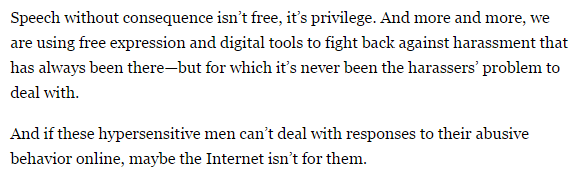
‟Speech without consequence isn’t free, it’s privilege. And more and more, we are using free expression and digital tools to fight back against harassment that has always been there—but for which it’s never been the harassers’ problem to deal with.
And if these hypersensitive men can’t deal with responses to their abusive behavior online, maybe the Internet isn’t for them.”
—Tauriq Moosa
This isn’t what I thought I’d be writing about today, but here we are! I missed this piece of local news over the weekend: Confederate memorial toppled at Seattle’s Lake View Cemetery in Capitol Hill. The first time I wrote about Confederate monuments and why I thought most of them should be torn down was in 2017 (a post which I republished recently with a little bit of additional commentary). In that post I talked about one of those monuments here in my local community:
Washington territory was never a part of the Confederacy, and the few inhabitants of the state who served in the [civil] war did so as part of the Union Army and Navy. A local family, some years after the war, donated land in what would one day become the Capitol Hill neighborhood to the Grand Army of the Republic (which was an organization made up mostly of Union side Civil War Veterans) for a cemetery for Union soldiers. And that’s who was buried there. But decades later, during one of those surges of monument building, the Daughters of the Confederacy paid to have a monument to soldiers of the Confederacy erected in the cemetery. There are no Confederate soldiers buried there. Not one. And there are no soldiers’ names engraved on the massive monument. But there it is, erected in a cemetery full of Union soldiers, a monument to the so-called noble cause of the Confederacy.
I have since learned that some of facts in the above paragraph are an over simplification. Some of the land in the cemetery was donated to the Grand Army of the Republic, and at least 11 Union veterans are buried there. But the cemetery holds a bunch of other people (included actor Bruce Lee). But one fact that is still not in dispute: there are no Confederate soldiers buried in the cemetery.
The Confederate Monument was erected near the graves of the 11 Union soldiers, though. It makes as much sense to have a Confederate monument in that cemetery as it would to erect a monument to the army of Nazi Germany in a military cemetery full of U.S. World War II veterans.
Each time that organizations like the Daughters of the Confederacy have gone on these binges of raising money for monuments and then bullying local governments into letting them be erected, has been a time where racist groups have felt a need to terrorize black people. The purpose of those monuments is not to teach history. They are meant as both propaganda and a threat.
Yes, the Daughters of the Confederacy got the monument placed in the cemetery, in part by not just paying for the monument’s construction, but by making a donation to the non-profit that owns and manages the cemetery. A non-profit which has, by the way, ofter struggled with raising enough funds to adequately maintain the grounds. I think it is very interesting to note that no one at the non-profit wants to talk publicly about the monument.
In response to the news of this toppled monument, I’ve seen a couple people on social media try to put forward a “what-about-ism” argument because there is another monument in the cemetery which honors people who aren’t buried there. This is the Nisei War Memorial Monument, which was originally raised to honor 47 local Japanese Americans who served and died in World War II. In many cases the bodies were never returned to the U.S. I haven’t found a list of how many of those soldiers whose bodies were returned wound up in this cemetery, but apparently more than one did. Additionally, local Japanese American soldiers who served in the U.S. military and were killed in action in subsequent wars have had their names added to the monument
There is a very big difference between a memorial that lists actual names of local people who died in a war (at least a couple of whom are buried in the same cemetery), and one that lists no local names (and for that matter, no names at all!).
The local Japanese American community has been an important part of the history of Seattle and the surrounding area for about 140 years. The Confederacy—which barely existed for five years!—has absolutely no connection to Seattle. There is no good reason for a Confederate monument to be here, only a lot of bad reasons.
I meant to do a Weekend Update on the morning of Independence Day before logging in to play a roleplaying game with friends, but Saturday was one of the “there’s not enough caffeine in the world” mornings. I kept falling back to sleep, and then had trouble making coffee because I couldn’t think straight, et cetera. On the other hand, I only had one news story I found after posting the Friday Five. Whereas today, well, I ran across a few stories of people behaving badly on the Fourth, so, maybe not getting to it until today was for the best.
The chorus of Bruce Springsteen’s “Born in the U.S.A.” gets included in the musical accompaniment of civic fireworks all the time. And people put the song in playlists for parties around Independence Day. And it’s a good song! I have it in several of my playlists for this time of year, myself.
The problem that has occurred for the person who is being mocked in the above story, is that he finally listened to the whole song, and realized the story of the song is told from the point of view of a Vietnam Veteran who served his country, came home to a recession, had difficulty finding work, didn’t find the Veteran’s Administration terribly helpful, and so on. Which he thinks means it isn’t a patriotic song.
I really, really get tired of conservatives defining “patriotic” as blind obedience and unearned praise and denial of history. Because I love the ideals of the country and try to hold my elected representatives to those ideals, they view me as disloyal. Not understanding the loving someone in spite of their flaws, and hoping to help them become a better person is a more authentic love.
The Vietnam War was something that happened. Our less than stellar treatment of veterans, particularly of that war, is something that has and continues to happen. Despite my personal belief that the Vietnam War was a mistake (and generally wars are bad ideas), I also believe that as a citizen, I owe a debt to the people who served in the U.S. military and especially those who were wounded or otherwise harmed in war under the auspices of the U.S. Which means acknowledging that we failed many of them. We can’t fix what’s wrong with the Veterans Administration and so forth without admitting that those wrong things exist.
Springsteen’s song has all that, and it absolutely belongs in any patriotic playlist.
Let’s move on!
Mississippi Election Official Concerned Blacks Are Registering To Vote, ‘People Should Too’. “The blacks are having lots (of) events for voter registration. People in Mississippi have to get involved, too,” Welch posted on Facebook. If you read the article, notice that the only thing she is apologizing for is accidentally posting her comment publicly. She is refusing to admit that her statement means that she doesn’t think of Black people as actual people. Even her clarifying comments still categorize Black people living in Mississippi as a completely separate category as “citizens of Mississippi.” I mean, we all knew that’s how folks like her think already, she’s just said it out loud. At least twice.
Again, instead of arresting the seven men, the police escorted the victims of the hate crime away from the beach. I can’t be the only one who thinks that’s not right, am I? Edited to Add: turns out the men were arrested (The version of the story I read Saturday night didn’t mention that, and then I missed the update) ‘Highly intoxicated’ white men arrested after harassing Black family with Nazi salutes.
When did that happen? Well, okay, I know, Wednesday is when it happened, but it’s a rhetorical question. Sometimes rhetorical questions make great headlines. You’ll find at least one below.
Which means that this must be the Friday Five. This week I bring you:the top five stories of the week, five stories of interest to queers and our allies, five stories about the pandemic, five stories about deplorable people, five stories about science, and five videos (plus notable obituaries and some things I wrote).
Tarzan Made Me Gay. I was a couple years younger than the author of this pieces when I saw hunky Mike Henry in Tarzan and the Valley of Gold, and he definitely made an impression.
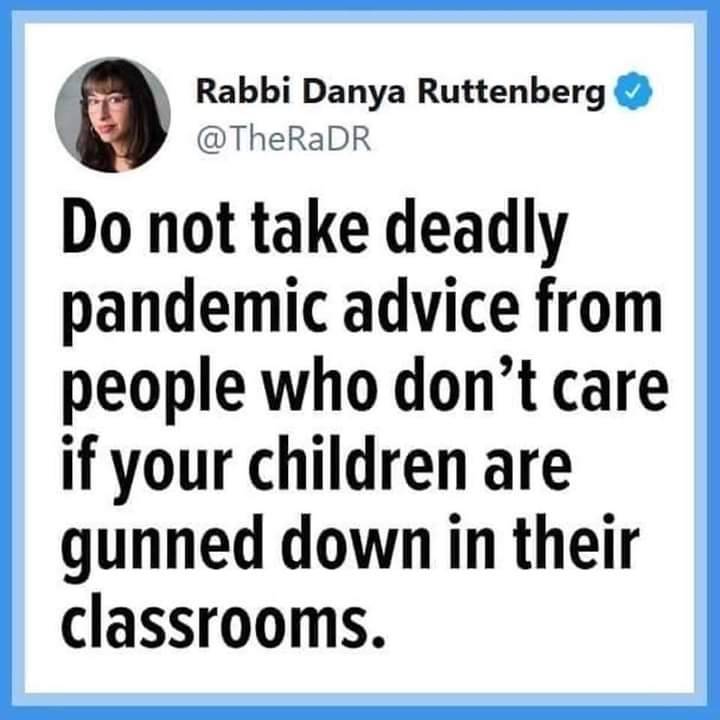
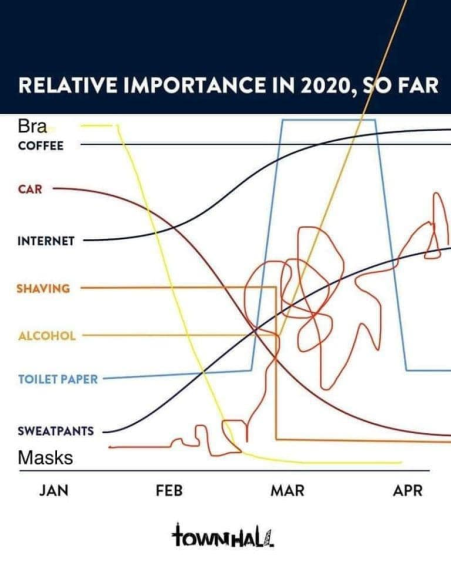
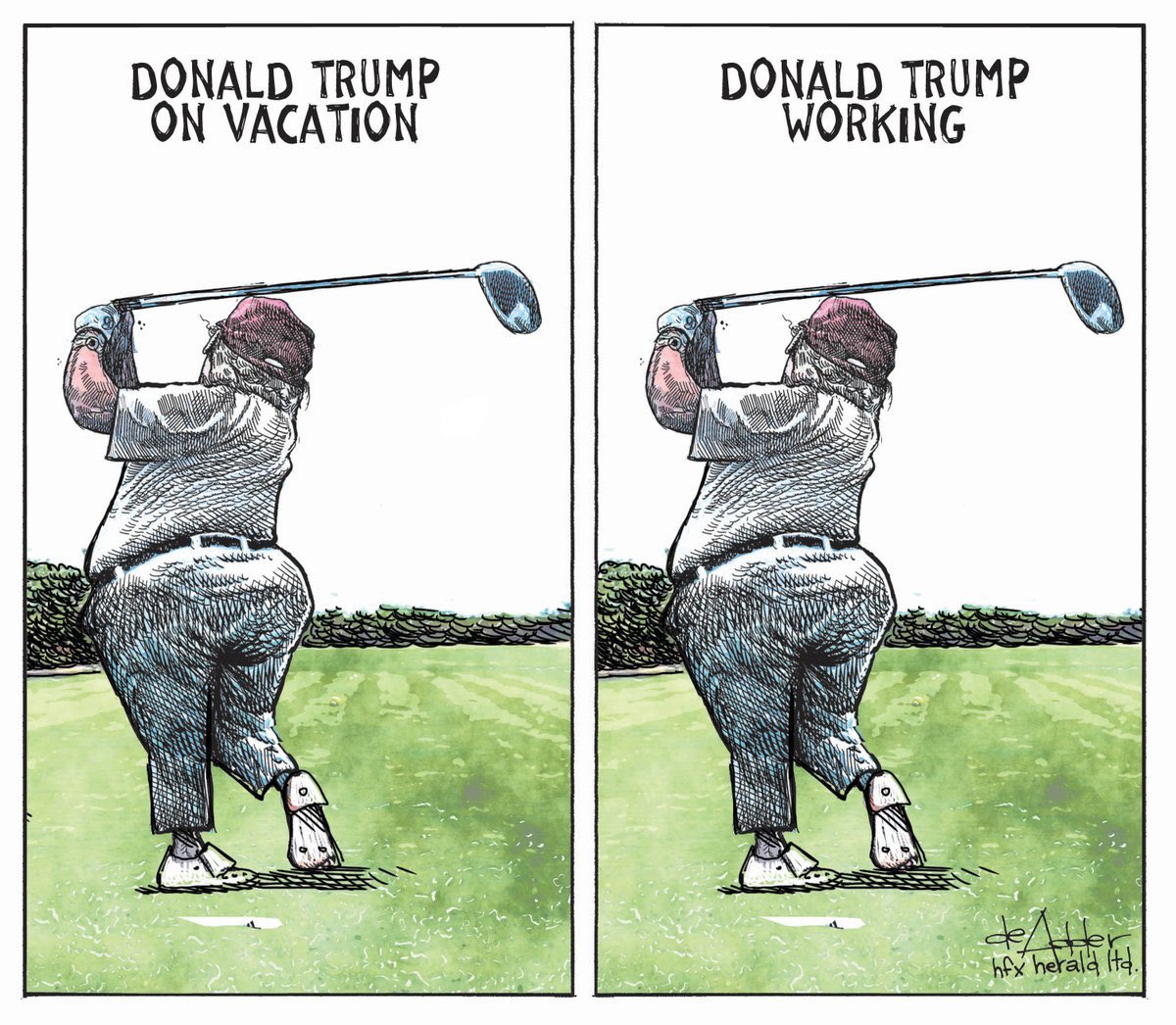
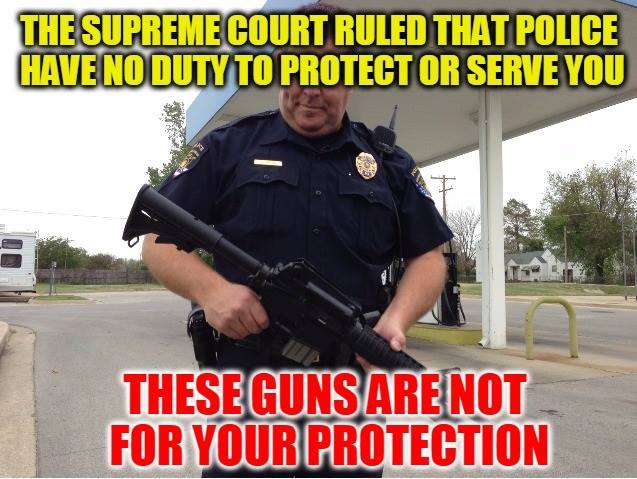
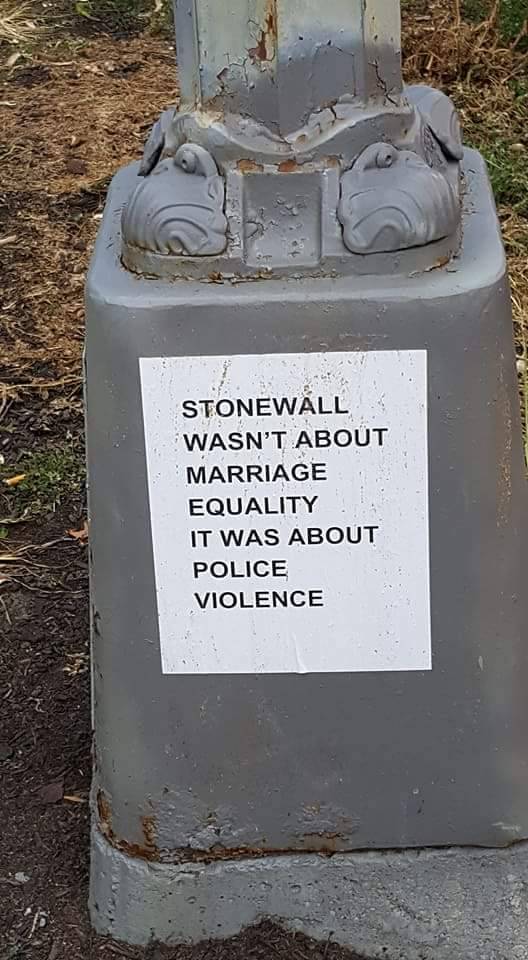
I save memes and infographs and similar images all the time in hopes of using them to illustrate a blog post sometime I alwasy gather far more than I actually use. So here are a bunch that really need sharing:
Several federal cases (including to the Supreme Court) have reached the same conclusion, the police have no obligation to protect the public, nor can they be sued for failing to do so (Warren v. District of Columbia, Lynch v. NC Dept. of Justice, Riss v. New York)
Of course they did. Because that’s what they do. They inflict violence on people they perceive have no power, and that they believe will lose any we said/cop said scenario. They almost always escalate. It’s a version of the old “if the only tool you have is a hammer, every problem looks like a nail.” Police academy training primes them to assume that everyone not wearing a badge is just someone waiting for an excuse to attack them, and they only tools they believe they can rely on are violence and the complicity of their fellow officers.
The Stonewall Riots, usually cited as the beginning of the modern gay rights movement, was a reaction to police brutality and harassment.Which is why we’re protesting and making various demands. Congress critters claim they have heard us and are ready to get serious on reform. One of the problems is that one of the only tools Congress has is money. Which means that any reform bill they come up with is going to result in more money going to police departments, not less.
If they were serious at reform they would look at those federal cases, we see that in the eyes of the law, cops are just crime accountants, not crime fighters. Their only obligations are to observe and record the aftermath of crimes, not prevent crimes, and not even to arrest criminals if they don’t want to.
So what we need is a Law Enforcement Act. The Civil Rights Act of 1964 outlawed various kinds of discrimination under an argument that while the Constitution guarantees basic civil rights, it doesn’t always spell out what those rights are. Though the Tenth Amendment does say that powers not specifically delegated to the federal government in the Constitution belong to the States and to the People. And the Fourteenth Amendment says that no person can be deprived of the equal protection of the law and that citizens can’t have their rights abridged has often been interpreted as affirming that people are entitled to rights not spelled out elsewhere. That was most of the legal justification of the Civil Rights Act: at attempt by Congress to define what some of those unspecified rights are, and to provide a framework for the enforcement of both enumerated and unspecified rights.
The Law Enforcement Act could extend that framework, though the points I suggest such an Act must have can be read right out of one ennumerated right from the First Amendment, and one part of the Fourteenth.
Lots of people claim all sorts of things are protected by the First Amendment, and I don’t want to get into that debate. For this purpose, I’m going to stick to the text. One of the rights specifically mentioned in the First Amendment that most people forget about is the right “to petition the Government for a redress of grievances.” My proposed Law Enforcement Act would define the following things as part of that right to petition the Government:
The right to sue individual police, police departments, and local and state governments which fund those police departments for failure to protect ordinary residents, or for police misconduct that harms a person or deprives them of property, or for wrongful death. In other words, repeal limited immunity.
The right to require public hearings for police misconduct allegations, and a right for ordinary residents who make such allegations to appeal any findings of the misconduct hearings to a civil authority outside the police department.
The right to demand judicial review of clauses of police union contracts which in any way impede those aforementioned rights
the right to have any property seized through asset forfeiture returned (and in the case of cash, with interest) unless there is a conviction by a jury of a crime related to said assets. (I would prefer that asset forfeiture be outlawed completely, but I know that’s not going to happen.)
Next, turning to the Fourteenth Amendment, one of the rights that it forbids States from infringing is “the equal protection of the laws.” And so the act should spell out the equal protection includes:
An obligation of the police to protect all persons within their jurisdiction.
Any State the fails to enact laws that protect the rights listed in the Act shall be denied all federal monies for any current or future program to support law enforcement.
There are a lot of others things that Act ought to have, but if we can just get the right to sue the police and government over misconduct and failure to protect citizens, the stick of all those lawsuits is going to force police reform.
Let’s change topics
Yes, please! (Click to embiggen)Since the surprisingly pro-LGBTQ pro-trans Supreme Court ruling about employment discrimination, I have heard and read a lot of queer folks incorrectly saying that the Court found employment discrimination about queer folks unconstitutional. No. The ruling was not about constitutionality. It was a statutory interpretation ruling. It was a logical recognition that discrimination against LGBTQ people is a form of sex discrimination. The ruling could probably be undone by the simple passage of a law of Congress that “clarifies” the meaning of sex discrimination in the earlier law.
Now, as long as the Democrats control at least one house of Congress, that isn’t likely to happen. And, heck, if you noticed how few Republican Senators put out a spirited criticism of the ruling, reflects the reality that a large majority of voters support the ruling, so support for such a bill is likely soft on the Republican side.
However, religious freedom is explicitly protected in the Constitution, so we shouldn’t be surprised if, before the Court adjourns for the summer, one of those so-called Religious Freedom cases doesn’t walk much of that ruling back (Like Our Lady of Guadalupe School v. Morrissey-Berru which was just argued last month). And whether it does or not, we can expect a lot more attempts to invalidate our lives in the name of religion.










 Font Folly